//
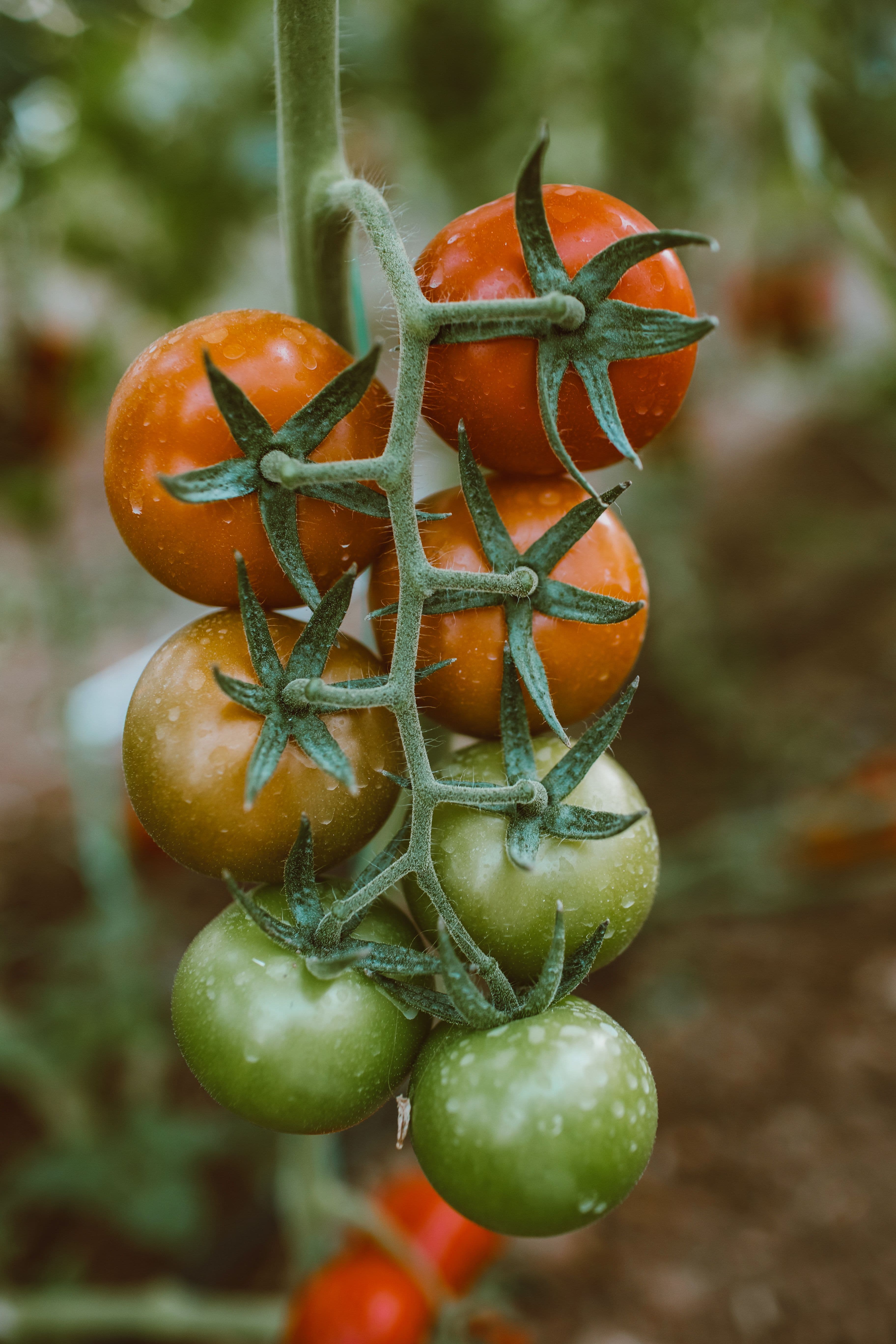
Tomatoes6 Growth Stages
Tomato Spray Program
Complete guide to tomato crop protection from nursery through harvest.
Program Overview
Brand:
| Category | Nursery / Pre-Sowing Before transplanting | Transplanting At transplanting | Vegetative Growth 14-35 days after transplanting | Flowering 35-49 days after transplanting | Fruit Expansion 49-70 days after transplanting | Ripening & Harvest 70+ days after transplanting |
|---|---|---|---|---|---|---|
Disease Prevention | — | — | — | — | — | |
Insect Control | ||||||
Nematode Control | — | — | — | — | — | |
Nutrient Management | — | — | — | |||
Disease Control | — | — | ||||
Disease Control / Insect Control | — | — | — | — | — |
Nursery / Pre-Sowing
Protect nursery seedbeds from damping off (Pythium, Phytophthora) and early pest pressure from whitefly, aphids, and caterpillars that transmit TMV and leaf curl virus.
Disease Prevention
Insect Control
Insect Control
Insect Control
Transplanting
Protect transplanted seedlings from cutworm damage and soil-dwelling pests. Apply insecticides immediately after transplanting to establish early protection.
Insect Control
Insect Control
Nematode Control
Nutrient Management
Nematode Control
Nematode Control
Nematode Control
Insect Control
Insect Control
Insect Control
Vegetative Growth
Protect against early blight (Alternaria solani), powdery mildew, and insect pests during rapid vegetative growth. Begin preventative fungicide program before disease onset.
Disease Control
Disease Control
Disease Control
Disease Control
Insect Control
Insect Control
Nutrient Management
Disease Control
Disease Control
Disease Control
Insect Control
Insect Control
Insect Control
Insect Control
Insect Control
Flowering
Critical stage for late blight (Phytophthora infestans) prevention. Protect flowers from thrips and maintain disease-free canopy to ensure fruit set.
Disease Control
Disease Control
Disease Control
Insect Control
Insect Control
Nutrient Management
Disease Control
Disease Control
Disease Control
Insect Control
Insect Control
Insect Control
Insect Control
Insect Control
Fruit Expansion
Continue late blight and bacterial disease management during fruit development. Monitor for bollworm damage to developing fruit.
Disease Control
Disease Control
Insect Control
Insect Control
Disease Control
Disease Control
Insect Control
Insect Control
Insect Control
Insect Control
Insect Control
Insect Control
Insect Control
Ripening & Harvest
Final pest and disease management before harvest. Focus on red spider mite, whitefly, and maintaining fruit quality. Observe pre-harvest intervals for all products.
Disease Control
Insect Control
Disease Control
Disease Control
Disease Control / Insect Control
Insect Control
Insect Control
Insect Control
Insect Control
Insect Control
Insect Control
Insect Control
Safety Information
Always read and follow label directions. Wear appropriate personal protective equipment (PPE) when handling agrochemicals. Store in original containers in a secure location away from children and animals. Dispose of containers properly according to local regulations. Consult your local extension officer for region-specific recommendations.
Disclaimer: The information provided on this page, including active ingredients, dosage rates, application methods, and safety guidelines, has been compiled from publicly available product labels, manufacturer datasheets, and other third-party sources. Farmnport does not manufacture, formulate, or independently verify the accuracy, completeness, or currency of this information. Product formulations, registrations, and label directions may change without notice. Always refer to the official product label accompanying the purchased product for the most up-to-date and legally binding instructions. Farmnport accepts no liability for any loss, damage, crop injury, or adverse outcome arising from the use of, or reliance on, the information presented here. Use of any agrochemical product is entirely at the user's own risk.